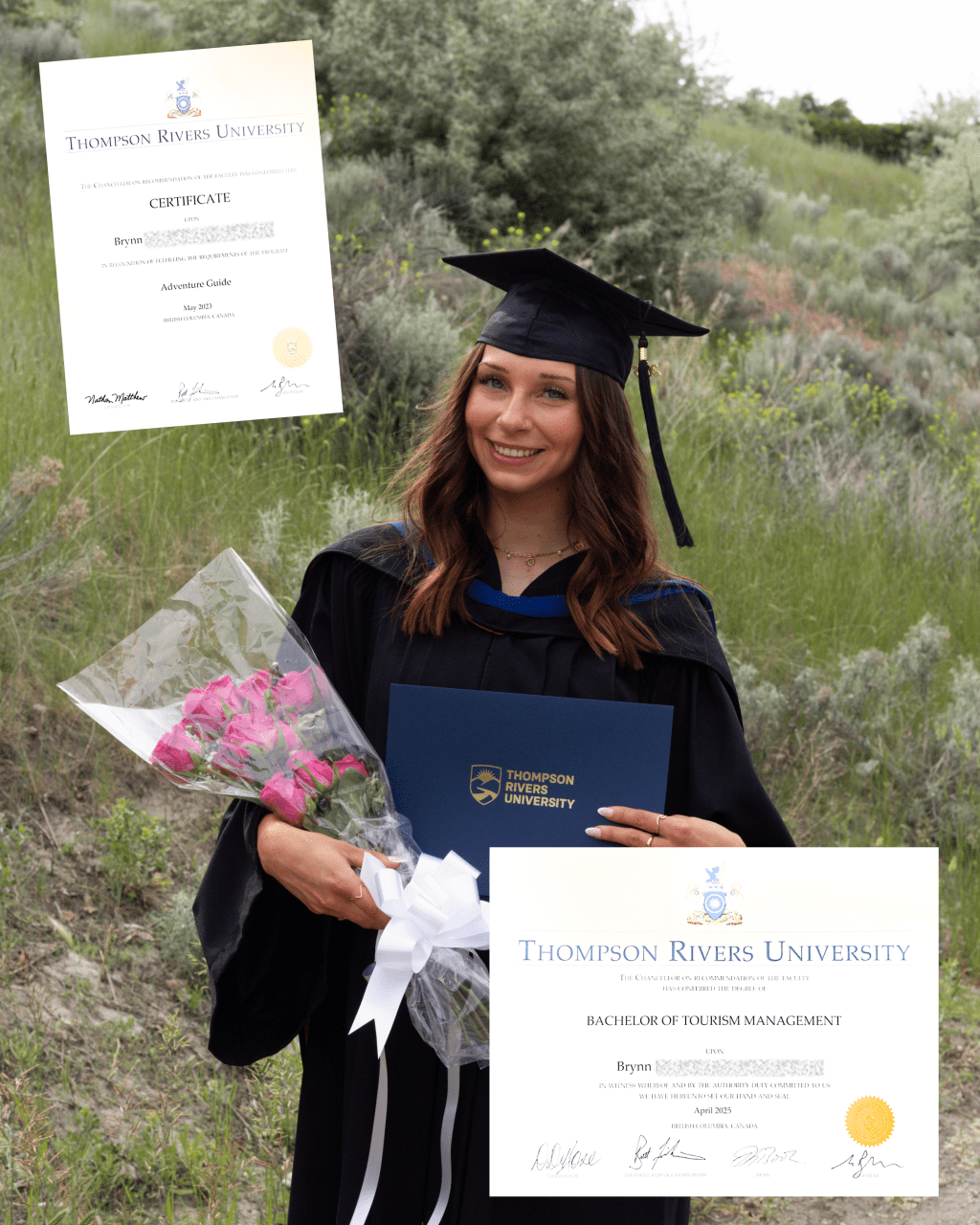
a.k.a. How I ended up studying tourism, guiding, and the outdoors, for real, at a legit post-secondary institution
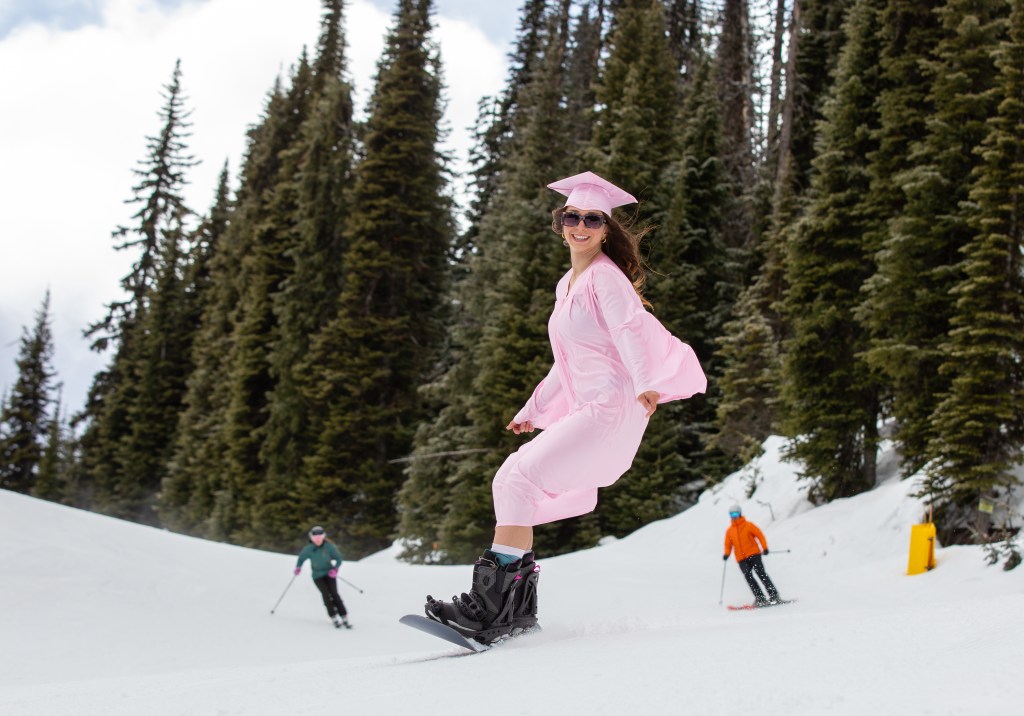
Every time I post about my schooling I get a least a handful of comments and DMs saying the same thing:
“Wait-what is adventure school?”
“I’d go back to school for this!”
“How do I do this?!”
So here’s my honest answer to those questions and the even bigger one beneath them:
Do you need a degree to live the outdoorsy lifestyle fantasy?
Short answer: no.
Long Answer: it depends.
Yes, adventure university is a thing
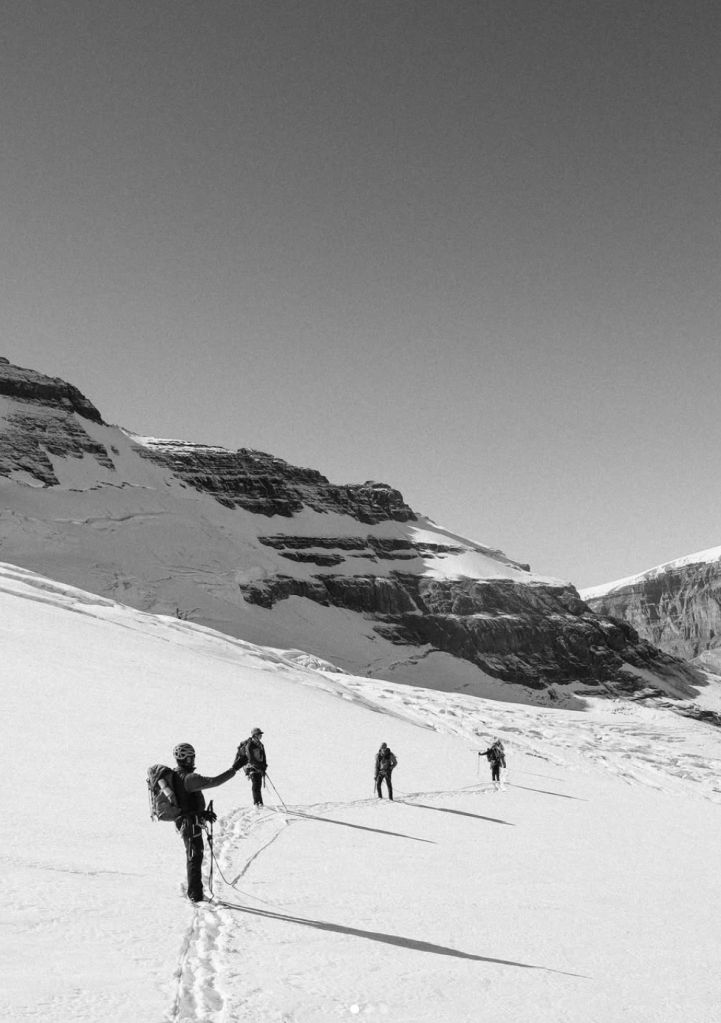
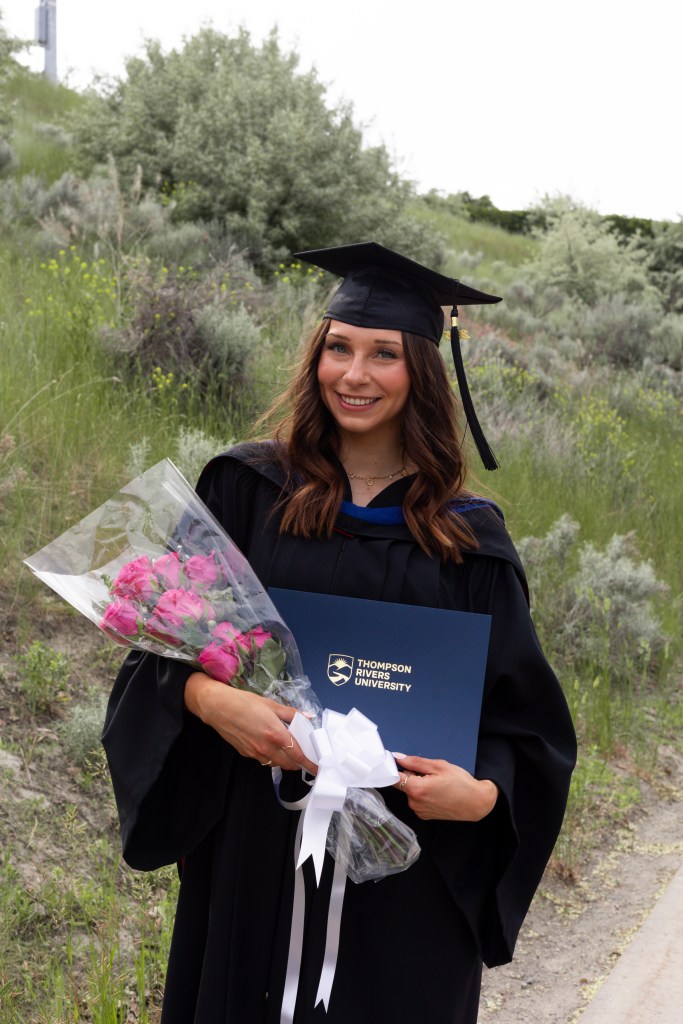
I graduated this spring with a Bachelor of Tourism Management, majoring in Adventure. Two years before that, I completed my Adventure Guide Certificate. So yes, technically I studied adventure. While that may sound silly, it was very real, very physical, and occasionally involved being lowered into crevasses to practice glacier rescues.
Some of the course titles?
“Adventure Sport and Tourism”
“Legal Liability and Risk Management”
“Mountaineering”
“Advanced Wilderness First Aid”
“The Culture of Adventure”
“River Rafting”
You get the picture.
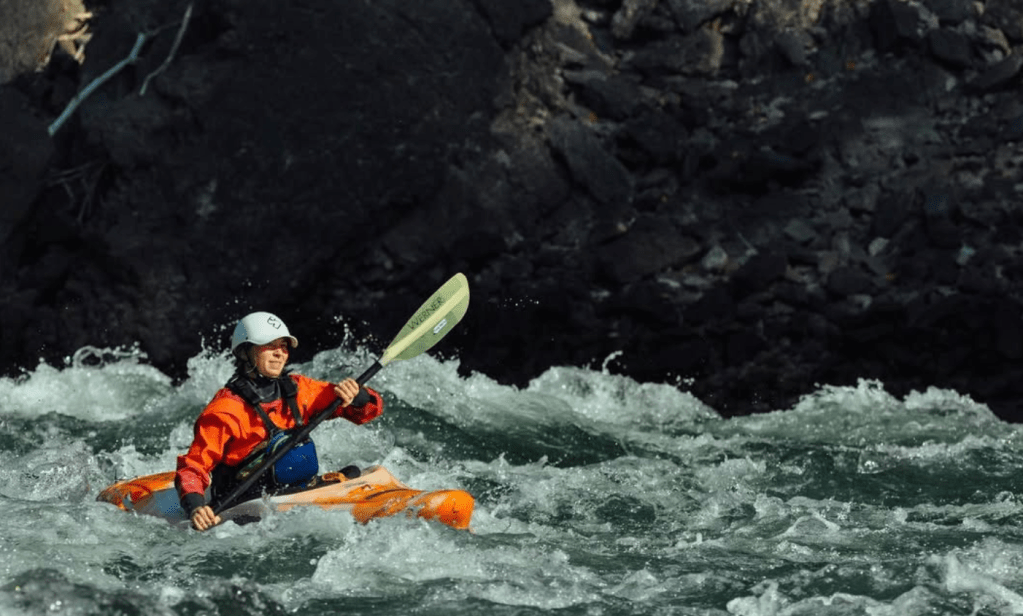
The program combined classroom lectures with immersive field courses. One week you’re in a lecture on tourism systems, the next you’re navigating river features for your IRF certification or rescuing your classmates from a hole in pursuit of your SRT 3. It wasn’t just hiking for an A+ (those were rare). There were theories to study, ‘clients’ to manage, maps to interpret, risk to assess, and yes, suffering to endure.
Because here’s the thing: adventure isn’t just fun and games, it is a real practice, discipline, and business.
So…What did I actually learn?
While my Instagram might show the summits, rivers, and open roads, what you don’t always see are the skills that get me there, and more importantly, keep me safe once I’m really in it.
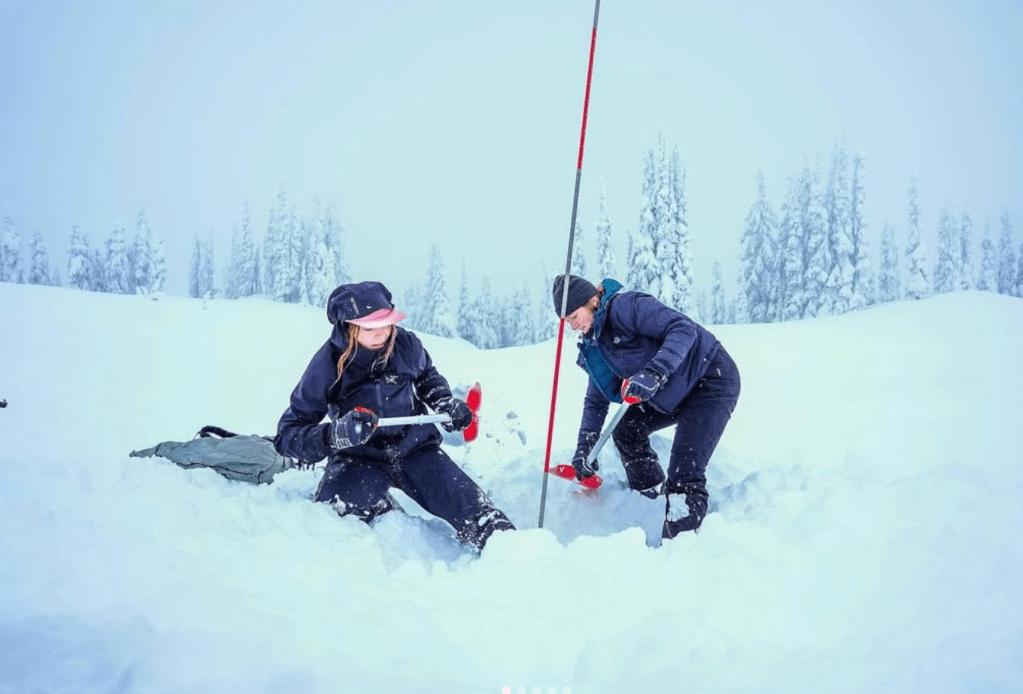
Throughout my studies I learned hard skills like navigation, risk management, group leadership and management, rescue systems, and emergency medical response. Equally important were the soft skills: communication, environmental ethics, and cultural sensitivity. We weren’t just learning how to adventure, we learned how to do it with people, in real environments, with real consequeunces.
My transition into the full degree in tourism management added a layer I didn’t expect to fall in love with: the why and how behind adventure. I studied community-based tourism, sustainability, marketing strategy, and the ethics of operating in places where people live, work, and hold deep cultural ties. It made me realize that adventure doesn’t happen in a vacuum. It’s deeply embedded in broader systems of economy, power, land use, and identity.
Do you need a degree to be a guide or seasonal worker?
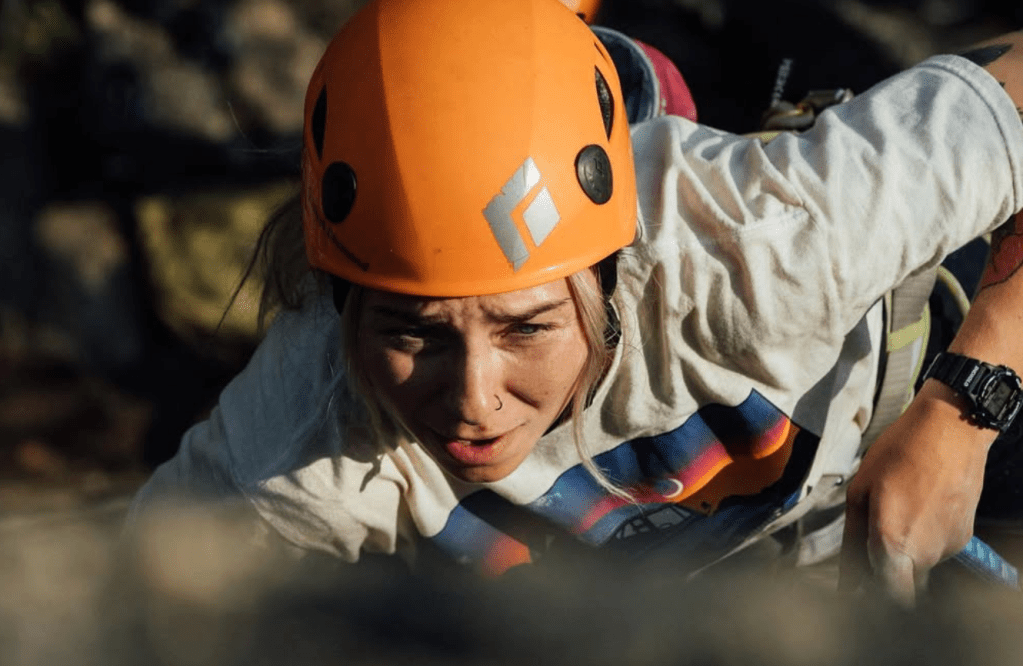
Let me be extremely clear: you absolutely don’t need a degree to become a guide or to work seasonally in the outdoor industry.
In fact, most people don’t take this path. And many jobs like raft guiding, trail building, or zipline operating, will hire and train you on the spot. You can get into seasonal work without a single class under your belt (though you shouldn’t expect a six-figure salary or any glamorous conditions).
But becoming a guide? That’s more complex. It depends on what kind of guide you want to be.
Backcountry ski guide? Whitewater rafting guide? Cultural interpreter? Wildlife specialist? Each of these paths have their own unique entry points, their own set of ceritifcations (ACMG, CSGA, AMGA, IRF, BCROA, etc.), and it’s own barrier to entry; time, money, experience, mentorship.
Some people piece together their training over time, working and learning as they go. Others, like me, opted for a more structured route, entering the industry through a formal program that gave them the foundational skills and a foot in the door.
So, is this degree for you?
That depends on a few things:
- Do you thive in structured environments, or are you more of a self-taught, hands-on learner?
- Are you looking for a broad introduction to the outdoor industry, or are you laser-focused on one discipline?
- Are you drawn to leadership, education, logistics, and planning, not just sending it down a mountain?
For some, a degree is a smart investment. You get access to gear, mentorship, field experience, and perhaps most importantly, a network. That’s the big secret no one tells you. The outdoor industry truly runs on who you know.
That’s what school gave me: the people! Instructors, teammates, and connections that have opened up opportunities I didn’t even know existed.
But, it’s not the only path. Many guides I know have no formal university education or they have a degree in something not even remotely related to adventure. They just fell in love with something (climbing, paddling, skiing), followed it obsesively, and slowly built the credentials and took the courses they needed to make it a career.
Would I do it again?
Honestly? Probably, though maybe not for the reasons you’d expect.
Here’s the truth: I don’t think I want to be a full-time guide anymore. Even with two shiny pieces of paper in Adventure Guiding, I’m still years (and thousands of dollars) away from being fully certified in the ways I’d need to be. And that’s okay, but it’s not my primary goal right now.
Because what this education gave me was clarity and perspective. It showed me what the guiding life actually looks like, it peeled back the curtain and showed me the long days away from family, the stack of expensive certifications required, the clientele, the responisbilities and more. It helped me see where my own passions align, and where they don’t.
It also opened up unexpected directions that I hadn’t considered before: storytelling through tourism, creating content that inspires and educates, using media to communicate the value of wild spaces and people who move through them.
Just because I’m not taking the typical path of being an official, full-time, accredited guide of some sort doesn’t mean I’m leaving the adventure world behind. I’m just carving out a version of it that fits me.
So…Should you get a degree in adventure?
Maybe. Maybe not.
If you’re dreaming about working outside, building a meaninful career, or finding your place in the world of adventure, start exploring. Research programs. Look into certificatinos. Talk to the people doing the jobs you want. Ask yourself what you actually want out of it all: the ‘freedom’ of the lifestyle? The hard skills? The community?
Just know that there isn’t a single trailhead to this lifestyle. Some people go to school. Some people do seasonal work forever. Some venture into the mountains for 10 years and return to civilization with an ACMG certification and 3 first ascents.
Still curious?
Drop your questions in the comments and I’ll answer as best I can. If you want to dive deeper I’ve included links below to some Canadian programs I’ve either attended or heard great things about, as well as certifying bodies for several guiding disciplines.
The outdoors is slowly losing its gatekeepers and building new pathways. I hope this helps you find yours.
Resources:
Thompson Rivers University (British Columbia) https://www.tru.ca/adventure-studies.html
Timberline Academy Banff https://timberlineacademy.com/?gad_source=1&gad_campaignid=21751394566&gclid=CjwKCAjwsZPDBhBWEiwADuO6yzlNUyfC5XDR9fjc-QmiYEzo-6zgLGe8KjU4j8L7auhS7M6qHptaCBoCfNkQAvD_BwE
Algonquin College (Ontario) https://www.algonquincollege.com/pembroke/program/outdoor-adventure/
College of the Rockies (British Columbia) https://cotr.bc.ca/programs/mountain-adventure-skills-training/
Association of Canadian Mountain Guides https://www.acmg.ca/
Canadian Ski Guide Institute https://canskiguide.com/
International Rafting Federation https://internationalrafting.com/
BC River Outfitters Assocation https://bcroa.com/
Sea Kayak Guides Alliance of BC https://www.skgabc.com/
CSA Surf Canada https://csasurfcanada.org/
 Brynn's Adventures
Leave a comment